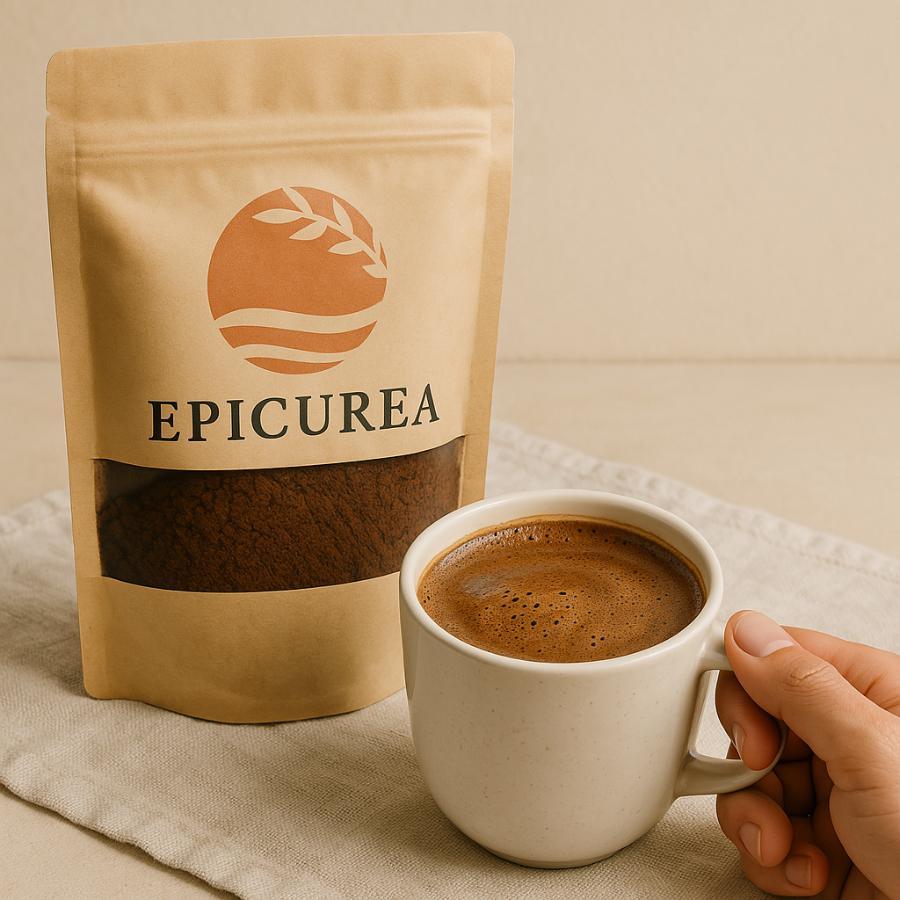

Coffee Alternatives: A Calm, Daily Replacement for Coffee
If you're reading this, you've probably typed "coffee alternative" into Google more than once.
Maybe it was after another morning of shaky hands and racing thoughts.
Maybe it was when you realized your afternoon coffee was keeping you awake at 11 PM.
Or maybe it was the day you admitted that your relationship with coffee had become more dependency than delight.
You're not alone.
According to recent wellness trends data, searches for "caffeine free coffee" and "coffee alternative" have increased by over 200% in the past three years.
Millions of people are actively searching for a way to keep the ritual they love without the jitters, crashes, and anxiety that caffeine brings.
We don't hate coffee, but we found you an alternative that fits your body and your life.
Quick Answer: What Is the Best Coffee Alternative?
The best coffee alternative depends on your specific needs:
- For a completely caffeine-free ritual: Wild pistachio coffee offers a rich, satisfying experience with no caffeine and a Mediterranean heritage spanning 400+ years
- For mild caffeine with less jitters: Green tea or matcha provides L-theanine alongside caffeine for smoother energy
- For adaptogen benefits: Mushroom coffee blends offer functional mushrooms, though most still contain caffeine
- For coffee-like bitterness: Roasted chicory or dandelion root mimics coffee's bold flavor profile
This guide covers all major alternatives, their benefits and limitations, and how to choose the right replacement for your daily ritual.
Try 5 FREE Cups of EPICUREA Coffee →
The Problem With Coffee (And Why You're Searching for Alternatives)

Coffee is a part of our daily ritual.
It's the morning anchor, the social ritual, the excuse to pause.
Americans alone consume over 400 million cups of coffee per day, making it the most popular beverage after water.
But for a growing number of people, that same cup brings unwanted side effects:
Anxiety and jitters. Caffeine triggers cortisol and adrenaline release, the same stress hormones your body produces during fight-or-flight responses. Studies show that caffeine can increase cortisol levels by up to 30% within one hour of consumption. For some, that manifests as productivity. For others, it's heart palpitations, racing thoughts, and an inability to focus.
Energy crashes. Caffeine has a life of 6-8 hours, meaning it takes that long for your body to eliminate what you consumed. The spike is real and so is the fall. That afternoon slump isn't just fatigue; it's your body compensating for hours of artificial stimulation, often triggering the release of adenosine (the "tiredness molecule") all at once.
Sleep disruption. Research published in the Journal of Clinical Sleep Medicine found that consuming caffeine even 6 hours before bed can reduce total sleep time by more than an hour. Even morning coffee can linger in your system, quietly sabotaging the deep sleep your body needs to recover.
Digestive distress. Coffee has a pH of around 4.85-5.10, making it highly acidic. This acidity stimulates gastric acid secretion, which for many people means heartburn, stomach upset, acid reflux, or IBS symptoms.
Dependency and tolerance. Regular caffeine consumption leads to adenosine receptor adaptation. Within 1-2 weeks, your brain compensates by creating more adenosine receptors, meaning you need more caffeine just to feel "normal." When you need coffee to function, it's no longer giving you energy, it's just bringing you back to baseline.
The withdrawal reality. Try skipping your morning coffee and you'll likely experience headaches, fatigue, irritability, and difficulty concentrating—classic withdrawal symptoms that can last a week. These are documented in peer-reviewed research. And they're why the search for alternatives to coffee has become one of the most common wellness searches online, with the interest for coffee alternatives growing.
The good news? A real coffee replacement exists and one that keeps the ritual intact while removing the downsides of coffee.
What Makes a Good Coffee Alternative?

Before we dive into specific options, let's establish what actually qualifies as a worthy coffee replacement.
Because if you're going to change a daily habit, it needs to check certain boxes.
1. It should feel like a ritual. Coffee isn't just fuel, it's an experience. The brew, the aroma, the first sip. It should be warm, grounding, and intentional. If it feels medicinal, it won't stick.
2. It should provide energy without overstimulation. This is the tricky part. Most people don't just want to quit caffeine, they want to feel good in the morning. A caffeine-free coffee alternative should support calm focus and steady energy, not spikes and crashes.
3. It should be drinkable every day. Coffee became a daily habit because it's enjoyable, not just functional. Your coffee replacement should be something you actually want to drink, not something you choke down for health points. Taste matters as much as function.
4. It shouldn't taste like a supplement. Most wellness drinks taste like dirt mixed with optimism. A coffee substitute should taste like something you'd savor, not something you'd tolerate. The flavor profile needs to be rich, complex, and satisfying.
5. It should support your well-being. Whether that means being gentle on your gut, rich in antioxidants, or free from crashes, the best coffee alternatives make you feel better, not just different. Look for options with polyphenols, low acidity, and no artificial additives.
If an option doesn't meet these standards, it's not really replacing coffee. It's just occupying space in your cabinet.
Popular Coffee Alternatives: A Detailed Comparison

The market for coffee substitutes has exploded in recent years, and for good reason.
But not all alternatives are created equal. Here's an honest, data-backed look at the most common options and where they fall short.
Tea as a Coffee Alternative
The appeal: Tea is the obvious first choice. It's familiar, widely available, and comes in endless varieties. Green tea, black tea, matcha, herbal blends. They all offer a warm ritual with varying levels of caffeine.
Caffeine content:
- Green tea: 25-50mg per cup
- Black tea: 40-70mg per cup
- White tea: 15-30mg per cup
- Herbal tea: 0mg (truly caffeine-free)
The reality: For die-hard coffee drinkers, tea often feels too light. The flavor profile is delicate where coffee is bold. The mouthfeel is thin where coffee is rich. And while tea does contain less caffeine than coffee (which averages 95mg per cup), it still contains caffeine meaning it can still trigger anxiety, disrupt sleep, and create dependency for sensitive individuals.
The exception: Matcha contains L-theanine, an amino acid that promotes calm focus and can offset some of caffeine's jittery effects. However, it still contains 70mg of caffeine per serving.
Best for: Those looking to reduce (not eliminate) caffeine intake, or those who enjoy lighter, more delicate flavors.
Limitations: Still contains caffeine, lacks coffee's richness, doesn't satisfy the sensory craving for bold flavor.
Mushroom Coffee and Adaptogen Blends
The appeal: Mushroom coffee has become popular in the wellness world. Brands promise mental clarity, immune support, and sustained energy through functional mushrooms like lion's mane, chaga, cordyceps, and reishi. But many of the servings aren't high enough to offer health benefits of mushrooms and the blends combine coffee with these adaptogens to "smooth out" the caffeine.
Typical caffeine content: 50-100mg per serving (most brands are 50/50 coffee and mushroom extract)
The reality: The taste is often the first hurdle. Even fans of mushroom coffee admit it has an earthy, medicinal quality that doesn't quite scratch the coffee itch. More importantly, most mushroom coffees still contain caffeine because they're blends, not replacements.
For options that are truly caffeine-free (pure mushroom extracts), the effects of adaptogens are subtle at best. While some research supports benefits like improved cognitive function (lion's mane) and immune modulation (chaga), these effects typically require consistent use over weeks or months, and results vary significantly between individuals.
Cost consideration: Premium mushroom coffee brands typically cost $30-45 for less than a 30-day supply which is significantly more expensive than regular coffee.
Best for: Wellness enthusiasts who want to keep some caffeine but add functional ingredients, or those specifically interested in mushroom adaptogens.
Limitations: Still usually contains caffeine, medicinal taste, expensive, inconsistent effects, supplement-like experience rather than pure enjoyment.
Chicory and Roasted Root Drinks
The appeal: Chicory root has been used as a coffee substitute for centuries and popular in New Orleans-style coffee during coffee shortages. When roasted, it develops a dark, bitter flavor that mimics coffee's boldness. Other roasted root options like dandelion and barley offer similar profiles.
Caffeine content: 0mg (naturally caffeine-free)
The reality: Chicory and roasted roots can be harsh. The bitterness is there, but it's often sharper and less balanced than actual coffee. The roasting process creates some coffee-like notes, but the overall flavor profile tends toward astringent rather than smooth.
Digestive concerns: Chicory is high in inulin, a prebiotic fiber that can cause gas, bloating, and digestive upset, especially for people with IBS or FODMAP sensitivities. Some studies show up to 20% of people experience digestive issues from chicory.
Mouthfeel matters: The body and creaminess aren't the same as coffee. It's thinner and watery despite the bold flavor.
Best for: Those seeking a truly caffeine-free option who enjoy very bitter flavors and don't have digestive sensitivities.
Limitations: Harsh taste, digestive upset for many, lacks coffee's depth and complexity, thin mouthfeel.
Decaf Coffee
The appeal: If you love coffee but hate caffeine, decaf seems like the obvious solution. It's still coffee, after all.
Caffeine content: 2-5mg per cup (not caffeine-free)
The reality: Decaf isn't caffeine-free. Federal regulations only require 97% of caffeine to be removed. For highly sensitive individuals, even 2-5mg can cause symptoms. It's also still highly acidic (same pH as regular coffee), which means it can still cause heartburn, acid reflux, and digestive issues.
Processing concerns: The decaffeination process uses chemical solvent methods (methylene chloride or ethyl acetate) can leave trace residues. Swiss Water Process and CO2 methods are cleaner but more expensive. All methods strip out some of coffee's natural flavor compounds and beneficial polyphenols.
The flavor issue: Even the best decaf loses some of coffee's complexity during processing. Many coffee purists describe decaf as "flat" or "hollow" compared to regular coffee.
Best for: Coffee purists who want something as close to regular coffee as possible and aren't highly caffeine-sensitive.
Limitations: Not truly caffeine-free, still acidic, processed, flavor compromises, can still cause digestive issues.
Roasted Grain Beverages (Barley, Rye)
The appeal: Popular in Europe and Asia for decades, roasted grain coffees like Pero, Inka, and Cafix offer a malty, coffee-like experience.
Caffeine content: 0mg
The reality: These are truly caffeine-free and often more affordable than other alternatives. The flavor is mild, malty, and less bitter than chicory. However, they lack the complexity and richness that makes coffee (or quality alternatives) satisfying.
Gluten alert: Most grain-based coffee alternatives contain gluten, making them unsuitable for celiacs or those with gluten sensitivity.
Best for: Budget-conscious shoppers seeking a mild, caffeine-free warm beverage.
Limitations: Simple flavor profile, contains gluten, doesn't capture coffee's depth.
Coffee Alternative Comparison Table
| Alternative | Caffeine | Taste Profile | Digestive Impact | Ritual Quality |
|---|---|---|---|---|
| Regular Coffee | 95mg | Bold, bitter | Highly acidic | High |
| Green Tea | 25-50mg | Light, vegetal | Gentle | Moderate |
| Black Tea | 40-70mg | Bold, tannic | Moderate acidity | Moderate |
| Mushroom Coffee | 50-100mg | Earthy, medicinal | Gentle | Moderate |
| Chicory Root | 0mg | Bitter, sharp | Can cause bloating | High |
| Decaf Coffee | 2-5mg | Coffee-like but flat | Acidic | High |
| Grain Coffee | 0mg | Malty, mild | Very gentle | Moderate |
| Wild Pistachio | 0mg | Nutty, citrusy, creamy | Very gentle | High |
The pattern here? Most coffee alternatives either still contain caffeine, taste medicinal, lack complexity, or fail to capture the sensory richness that makes coffee worth drinking in the first place.
So what if there was an option that checked all the boxes:
- Naturally caffeine-free
- Rich and satisfying
- Rooted in centuries of eastern Mediterranean tradition
- Gentle on digestion
- Actually enjoyable to drink every day
A Mediterranean Coffee Alternative: Wild Pistachio Coffee

Long before coffee became a global commodity, people in the eastern Mediterranean had their own morning ritual.
In villages across southeastern Türkiye, locals would harvest the fruit of the wild pistachio tree, also known as terebinth fruit, roast it slowly, grind into a paste, and brew it into a rich, aromatic drink.
This wasn't a coffee replacement. It was coffee to them.
What is wild pistachio coffee? Wild pistachio coffee is made from the dried fruit of the Pistacia terebinthus tree, a cousin of the pistachio. The fruit (not the nut) is harvested in late summer/early fall, roasted until deeply caramelized, and ground and dried into a fine powder. When simmered like Turkish coffee, it produces a naturally creamy, full-bodied drink with a flavor profile unlike anything else.
The flavor profile: Imagine roasted pistachio meeting citrus, with a hint of pine. It's nutty and slightly citrusy, with a creaminess from fruit's oils and milk powder.
Why it works as a coffee alternative: Unlike most caffeine-free options, wild pistachio coffee doesn't try to imitate coffee, it offers its own distinct experience. The brewing ritual is different: scoop, simmer, and savor. It can't be scooped into a coffee machine or just mixed with a spoon. It must be simmered. The result is a drink that feels creamy, smooth, and satisfying, with none of the overstimulation or crashes that come from caffeine.
The science of calm: While wild pistachio coffee contains no caffeine, it does contain naturally occurring polyphenols with antioxidant properties. The Pistacia genus has been studied for its phenolic content, with research showing various species contain tannins, flavonoids, and other bioactive compounds. These aren't stimulants, they're gentle, supportive compounds that have been part of Mediterranean diets for millennia.
Digestive friendliness: With a pH closer to neutral (around 6.0) compared to coffee's 4.85-5.10, wild pistachio is significantly less acidic. It's also naturally low in tannins compared to tea or chicory, making it gentle on sensitive stomachs. Locals in southeastern Turkey have used it to support digestive comfort, though we cannot make these medical claims.
The ritual: One of the most underrated aspects of coffee is the act of making it. Wild pistachio coffee honors that. You scoop the grounds into a small pot or Turkish cezve, add water, and simmer for 3-5 minutes. The process is slow, intentional, and meditative. The aroma fills your kitchen. You watch the liquid darken and the oils rise.
Cultural heritage: This isn't a modern wellness trend invented in a lab. Wild pistachio coffee has been consumed in eastern Mediterranean villages for over 400 years. In Turkey, it's known as menengiç kahvesi. It represents a living tradition that predates the global coffee industry, a reminder that satisfying morning rituals existed long before caffeine dependency became normalized.
Try 5 FREE Cups of EPICUREA Coffee →
Why This Works as a Daily Coffee Replacement

Switching from coffee to a caffeine-free alternative isn't just about eliminating finding a substitute, but finding what's right for you.
And for that to work, the replacement needs to deliver on multiple levels.
No jitters, no crashes. With zero caffeine, wild pistachio coffee doesn't spike your cortisol (the stress hormone that can increase 30% from a single cup of coffee) or trigger the fight-or-flight response. There's no mid-morning crash when adenosine floods your system, no afternoon slump, and no wondering if your energy is real or borrowed. What you feel is steady, grounded, and calm.
Gentle, steady energy. This isn't about replacing one stimulant with another. Wild pistachio coffee supports your body's natural rhythms rather than overriding them. Many regular drinkers report feeling more present and focused without the jittery edge that caffeine brings. The difference is subtle but significant: you're working with your nervous system, not against it.
Digestive ease. If coffee has ever left you with heartburn, bloating, or an upset stomach, this matters. Wild pistachio coffee is naturally low in acidity (pH ~6.0 vs coffee's 4.85-5.10) and gentle on the gut. Unlike chicory, it doesn't contain high levels of inulin that can cause gas. Unlike coffee, it doesn't trigger excess gastric acid production. It's also rich in tannins and polyphenols similar to those found in other Mediterranean staples like olive oil and red wine, compounds that have been part of healthy diets for thousands of years.
Sleep quality improvement. Because there's no caffeine to interfere with your adenosine receptors, wild pistachio coffee won't sabotage your sleep, even if you drink it in the afternoon or evening. Many former coffee drinkers report falling asleep more easily and experiencing deeper, more restorative rest within days of switching. Better sleep means genuinely better energy and not borrowed energy you'll pay back with interest.
Ritual continuity. This might be the most important factor. You don't have to give up the sensory experience you love. You still brew. You still sip. You still pause. The ritual stays intact, which means the habit stays intact but now it's serving you instead of draining you.
Emotional satisfaction. If it doesn't feel good, you won't stick with it. Wild pistachio coffee is rich, warming, and indulgent. It's the kind of drink you look forward to, not something you force down for health reasons. The naturally creamy texture, the complex flavor, the aromatic steam rising from your cup—these sensory rewards are what turn a coffee alternative into a true daily coffee replacement.
Cost-effectiveness. EPICUREA Wild Pistachio Coffee, it's comparable to quality coffee and significantly less expensive than daily café visits or premium mushroom coffee blends ($1.50-2.00+ per cup). The 30-serving bag at $30 provides a full month of mindful mornings.
Try 5 FREE Cups of EPICUREA Coffee →
The Science Behind Caffeine-Free Energy
One of the most common questions about giving up caffeine is: "But where will I get my energy?"
The answer challenges a fundamental assumption: that energy comes from external stimulants.
Natural energy rhythms: Your body produces energy through cellular respiration, specifically, the mitochondria in your cells convert nutrients into ATP (adenosine triphosphate), the molecule that powers every cellular process. This happens continuously, driven by the food you eat, the oxygen you breathe, and your circadian rhythms. Caffeine doesn't create energy, it masks tiredness by blocking adenosine receptors, essentially turning off your body's "I'm tired" signal.
The adaptation period: When you remove caffeine after regular use, your body needs time to recalibrate. The first 3-7 days can feel challenging as your adenosine receptor sensitivity normalizes. But within 7-14 days, most people report that their natural energy levels are more stable and sustainable than the caffeine-driven rollercoaster they'd grown accustomed to.
What you gain:
- Consistent energy throughout the day without artificial peaks and valleys
- Better sleep quality, which is the foundation of genuine energy
- Reduced anxiety, which drains energy even when you feel "wired"
- Improved stress resilience, as your HPA axis (hypothalamic-pituitary-adrenal axis) isn't constantly stimulated
- Freedom from dependency, your baseline becomes genuinely higher, not artificially elevated
Supporting natural energy: While wild pistachio coffee doesn't stimulate you, it does support your body's natural state. The ritual itself, the intentional pause, the sensory engagement, the warmth signals to your nervous system that it's safe to be present. This is parasympathetic activation (rest-and-digest), the state where your body actually has access to its resources rather than constantly preparing for threat.
Who This Coffee Alternative Is (and Isn't) For
Not every product is for everyone, and wild pistachio coffee is no exception. Here's an honest assessment of who this works best for and who might want to look elsewhere.
This coffee alternative is great for:
- Coffee-sensitive individuals. If caffeine makes you anxious, jittery, or unable to sleep, this is a natural fit. You get to keep the ritual without the side effects. Studies suggest 15-20% of people have genetic variants that make them slow metabolizers of caffeine, meaning they experience prolonged and intensified effects.
- Anxiety-prone people. If you've ever noticed that coffee amplifies your stress, makes your mind race, or triggers panic attacks, switching to a caffeine-free option can be genuinely life-changing. Anxiety and caffeine sensitivity often go hand-in-hand, as both involve heightened sympathetic nervous system activation.
- Those quitting or reducing caffeine. Whether you're cutting back for health reasons, pregnancy (the American College of Obstetricians and Gynecologists recommends limiting caffeine to 200mg/day during pregnancy), breastfeeding, medication interactions, or just curiosity, wild pistachio coffee makes the transition easier because it doesn't feel like deprivation. *Always consult with your doctor.
- Ritual-driven drinkers. If the act of making and sipping coffee is as important to you as the caffeine (or more so), this alternative preserves what you love about the experience. The sensory richness, the meditative brewing process, the warm cup in your hands, it's all there.
- People seeking calm focus. If you want to start your day grounded rather than wired, this fits beautifully into a slower, more intentional lifestyle. It pairs perfectly with practices like journaling, meditation, or simply sitting in silence before the day begins.
- Those with digestive issues. If coffee triggers heartburn, acid reflux, IBS symptoms, or general stomach upset, wild pistachio's low acidity and gentle nature may offer welcome relief.
- Evening ritual seekers. Because it contains no caffeine, you can enjoy wild pistachio coffee in the afternoon or evening without worrying about sleep disruption, something impossible with regular coffee or even tea.
This coffee alternative may not be for:
- People who love the caffeine buzz. If you're looking for that sharp, immediate kick of energy, this won't deliver. It's designed to not stimulate. If you thrive on caffeine and have no negative side effects, there's no reason to switch.
- Those expecting sugary flavors. Wild pistachio coffee is savory and earthy, not sweet. If you're used to flavored lattes, caramel macchiatos, or sweetened drinks, this will be a different experience. (Though you can add honey or a sweetener if desired.)
- Coffee purists seeking exact replication. If you only want something that tastes exactly like coffee, this isn't trying to be that. It's its own thing, unique, and that's the point. It occupies the same cultural and ritual space as coffee without being an imitation.
- Those needing immediate energy. If you're working night shifts, managing chronic fatigue, or legitimately need stimulation to function, this won't replace that need.
The best way to know if it's for you? Try it.
How to Start Your Coffee Alternative Ritual

If you're ready to explore what a caffeine-free morning feels like, here's how to begin:
Start with a sample. The easiest way to test whether wild pistachio coffee works for you is to try a small batch first. EPICUREA offers a free 5-cup sample pack (75g)—you just cover the shipping. It's enough to experience the ritual without committing to a full bag. This allows you to discover if the taste, ritual, and effects resonate with you before fully committing.
Brewing is simple. Wild pistachio coffee is brewed like Turkish coffee.
Here's the basic process:
- Scoop: Add 1-2 tablespoons (approximately 15g per tbsp) of ground wild pistachio to a small pot or a Turkish cezve.
- Simmer: Add 6-8 oz (180-240ml) of water or milk. Place over medium-low heat. Let it simmer gently for 3-5 minutes, stirring occasionally with a spoon. Watch as the liquid darkens and a subtle foam forms on the surface. Don't let it boil, you want a gentle simmer that allows the oils and flavors to extract slowly.
- Savor: Remove from heat and pour into your favorite mug, grounds and all (they settle at the bottom like Turkish coffee). The first sip should be clear; as you get toward the bottom, the grounds will be denser (you don't drink them).
Here's a complete EPICUREA wild pistachio coffee brewing guide with video.
Customization options:
- Strength: Use 1 tablespoon for a lighter cup, 2 tablespoons for bolder flavor
- Sweetness: Add a touch of honey or your preferred sweetener
- Creaminess: While naturally creamy, you can add a splash your preferred milk
- Spices: Experiment with a pinch of cinnamon, cardamom, or vanilla for seasonal variations
When you order EPICUREA wild pistachio coffee, you'll also receive a FREE digital seasonal recipe guide.
Ease into replacement. You don't have to quit coffee cold turkey. Many people start by replacing their afternoon coffee with wild pistachio, or alternating mornings. This gradual approach minimizes withdrawal symptoms and gives your body time to adjust. A common progression:
- Week 1: Replace 1 cup of coffee with wild pistachio coffee (morning or afternoon)
- Week 2: Replace 2 cups, keep 1 cup of coffee if desired
- Week 3: Fully transition if you're ready, or maintain a hybrid approach
Make it a ritual. The magic isn't just in the drink, it's in the pause. Take a few extra minutes. Brew slowly. Notice the aroma as it simmers. Sit without your phone. Put your hands around the warm cup. Take a deep breath before the first sip. This intentional practice is where the real shift happens from rushing through your morning to actually savoring it.
Ready to try it? Experience a Mediterranean coffee alternative that's been trusted for over 400 years and see if it changes your mornings the way it's changed thousands of others.
Try 5 FREE Cups of EPICUREA Coffee →
Coffee Alternative FAQs
Is wild pistachio coffee completely caffeine-free?
Yes. Wild pistachio coffee does not contain caffeine. It's made from the fruit of the terebinth tree (Pistacia terebinthus), which is naturally caffeine-free.
Does it taste like coffee?
Wild pistachio coffee has its own unique flavor profile: like roasted pistachios, lemon peel, and a hint of pine. It's rich and full-bodied like coffee, but not bitter. Most people describe it as deeply satisfying without trying to imitate coffee's exact taste. Think of it as occupying the same space as coffee: bold, complex, ritual-worthy but with its own distinct character.
Can I drink it every day?
Absolutely. Wild pistachio coffee is a beverage with no stimulants. It's gentle on the digestive system and can be enjoyed as part of your daily routine, morning, afternoon, or evening. Because it contains no caffeine, there are no tolerance issues, dependency risks, or withdrawal concerns. It's been consumed daily in southeastern Turkey for centuries.
Is it acidic like coffee?
No. Wild pistachio coffee is naturally low in acidity, with a pH around 6.0 compared to coffee's 4.85-5.10. This makes it significantly gentler on the stomach and teeth. If you've struggled with heartburn, acid reflux, or general stomach upset from coffee, the lower acidity is often a welcome change.
Is this a tea or a coffee?
Neither, technically. It's brewed from roasted and ground fruit, not leaves (like tea) or beans (like coffee). But the preparation method is closer to coffee—specifically Turkish-style coffee. It occupies its own category: a traditional eastern Mediterranean drink that serves the same cultural and ritual role as coffee. In Turkey, it's considered a type of coffee despite the botanical difference, much like how we call the beverage "coffee" even though coffee beans are technically seeds, not beans.
How do I brew it?
Wild pistachio coffee is brewed like Turkish coffee. Add 1-2 heaping tablespoons to a small pot with 6-8 oz of water or milk, simmer for 3-5 minutes over medium-low heat, and pour directly into your cup. The grounds settle at the bottom. You can find a full step-by-step brewing guide with photos and tips in our How to Brew Wild Pistachio Coffee post. The process takes about 5 minutes and requires no special equipment, just a small pot or Turkish cezve if you're going traditional.
Will I feel any energy from it?
Not in the way caffeine provides energy. There's no stimulation, buzz, or artificial spike. Instead, many people report feeling calm, grounded, and clear-headed. It supports your body's natural energy rather than forcing it artificially. The difference is subtle but significant: you're working with your nervous system, not overriding it. The "energy" comes from better sleep, reduced anxiety, and not experiencing the afternoon crash that caffeine creates.
Where does it come from?
Wild pistachios (terebinth fruit) grow in across the Mediterranean, particularly in Greece, Turkey, Cyprus, and parts of the Levant. The Pistacia terebinthus tree is native to this area and thrives in rocky, mountainous terrain. The fruit is hand-harvested in late summer/early fall when fully ripe.
Can I add milk or sweetener?
Absolutely. While wild pistachio coffee is naturally creamy (the fruit's oils create a silky mouthfeel) and EPICUREA wild pistachio coffee includes milk powder, some people enjoy it with the milk of their choice or water. A touch of honey, maple syrup, or your preferred sweetener also works beautifully.
How does this compare to mushroom coffee or chicory?
Unlike mushroom coffee, wild pistachio coffee doesn't taste medicinal or earthy in an unpleasant way. It's richer, more complex, and more satisfying as a beverage rather than a supplement. Compared to chicory, it's significantly less harsh and easier on digestion—chicory's high inulin content causes bloating for many people, while wild pistachio coffee is gentle. And unlike both mushroom coffee (which usually still contains caffeine) and chicory (which can be astringent), wild pistachio coffee offers a creamy, balanced flavor that's rooted in centuries of eastern Mediterranean tradition, not modern wellness trends.
Is it safe during pregnancy or breastfeeding?
Wild pistachio coffee contains zero caffeine and no known contraindications for pregnancy or breastfeeding. However, as with any dietary change during pregnancy or nursing, we recommend consulting your healthcare provider.
What are the health benefits?
While we're careful not to make medical claims, wild pistachio coffee is naturally rich in polyphenols with antioxidant properties found throughout the Mediterranean diet. It's caffeine-free (eliminating jitters, anxiety, and sleep disruption) and low in acidity (gentler on teeth and stomach). The Pistacia genus has been studied for its phenolic content, with research showing various species contain tannins, flavonoids, and other bioactive compounds. These aren't stimulants or treatments, they're naturally occurring plant compounds that have been part of healthy diets for millennia.
Can I make it iced?
Yes! Brew wild pistachio coffee as directed, let it cool, and strain it over ice to keep the grounds away. Some people brew it slightly stronger (2.5 teaspoons instead of 2) to account for ice dilution.
Will I experience caffeine withdrawal symptoms when I switch?
If you're currently drinking coffee regularly, you may experience mild withdrawal symptoms during the first 3-7 days of switching to a caffeine-free alternative. Common symptoms include headaches, fatigue, irritability, and difficulty concentrating. These are temporary and typically peak around day 2-3 before improving. To minimize discomfort, consider tapering gradually (replacing one cup at a time over 1-2 weeks) rather than quitting cold turkey, staying well-hydrated, getting adequate sleep, and being patient with yourself during the adjustment period.
Explore More About Coffee Alternatives
If you're curious about the world of caffeine-free options and Mediterranean coffee traditions, here are some resources to deepen your understanding:
- Top 15 Coffee Alternatives – A comprehensive guide to every major coffee substitute, from tea to grain-based drinks to Mediterranean traditions. We compare taste, caffeine content, health benefits, and cost to help you make an informed decision.
- What Is Wild Pistachio Coffee? – A deep dive into the history, sourcing, and cultural significance of this ancient beverage. Learn about the terebinth tree, traditional harvesting methods, and why this drink has been a staple in Mediterranean villages for over 400 years.
- What Is Terebinth Coffee? – Explore the botanical science behind Pistacia terebinthus, how its fruit is transformed into a rich beverage, and the traditional roasting techniques that unlock its complex flavor profile.
- How to Brew Wild Pistachio Coffee – A detailed, step-by-step brewing guide complete with photos, timing tips, troubleshooting advice, and creative variations. Master the art of the 5-minute Mediterranean ritual.
These resources will help you make an informed decision about which coffee alternative is right for you and how to integrate it into your daily life for maximum enjoyment and benefit.
Final Thoughts: Reclaiming Your Morning Ritual
The search for a coffee alternative isn't really about coffee at all. It's about finding a morning ritual that serves you—one that provides comfort, presence, and genuine well-being rather than borrowed energy you'll pay back with interest.
Coffee has been the default for so long that we've forgotten there are other ways to start the day. Other traditions. Other flavors. Other rhythms.
Wild pistachio coffee represents one of those forgotten traditions, a 400 year old Mediterranean ritual that offers everything we love about coffee (the warmth, the aroma, the intentional pause) without the side effects that no longer serve us (the jitters, the crashes, the anxiety, the sleep disruption).
Here's a real alternative, one that's actually enjoyable, genuinely satisfying, and rooted in centuries of human experience.
The question isn't whether you can replace coffee. The question is: what would your mornings feel like if you did?
There's only one way to find out.