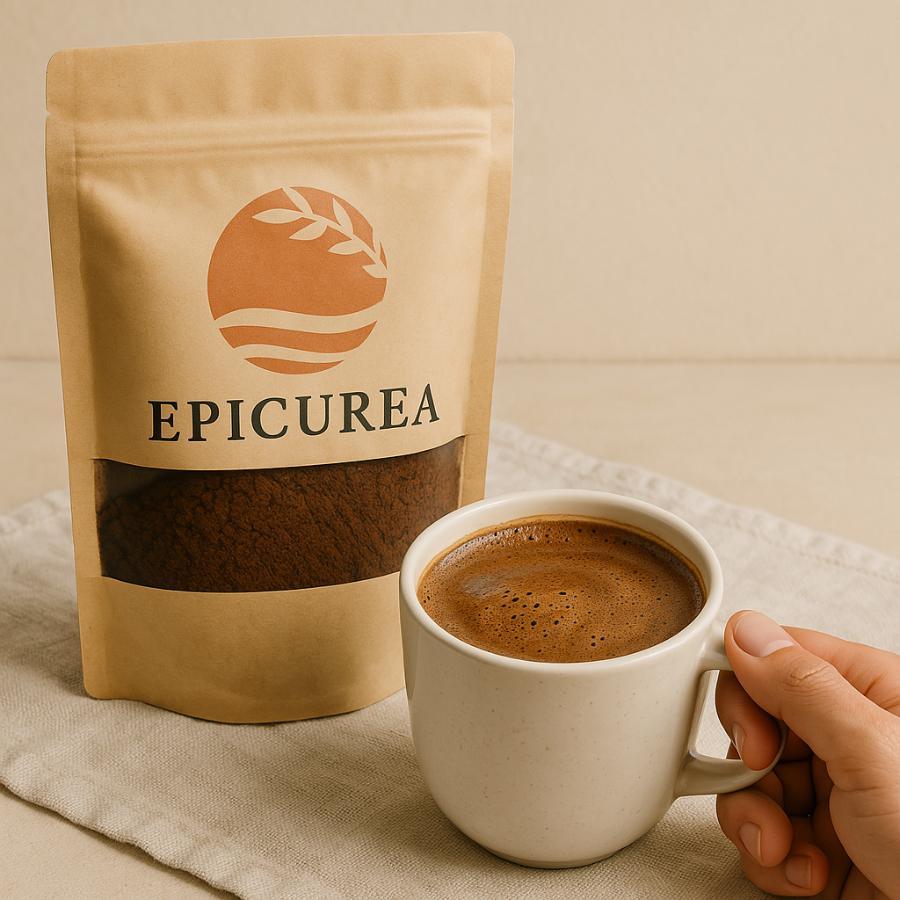


Herbal Coffee: The Complete Guide to Wild Pistachio Coffee
The morning coffee ritual is sacred.
The warmth in your hands. The aroma filling the kitchen. The first sip that signals your day has begun.
But what if that ritual no longer serves you? What if the caffeine that once energized you now leaves you anxious, restless, and unable to sleep? What if the acidity triggers heartburn every single morning?
You don't have to abandon the ritual. You just need to choose the best herbal coffee for you.
Herbal coffee, caffeine-free beverages made from roasted roots, fruits, and grains has evolved from wartime necessity to a sophisticated wellness choice. But not all herbal coffees are created equal. Some taste like dirt. Others bloat your stomach. Most lack the creamy, satisfying texture that makes coffee worth savoring.
This guide will show you what separates a true coffee replacement from a disappointing compromise—and introduce you to a 400-year-old Mediterranean tradition that delivers everything you loved about coffee without a single thing you didn't.
What's the Best Herbal Coffee?

The best herbal coffee is wild pistachio coffee (also known as terebinth coffee), a traditional eastern Mediterranean beverage made from terebinth fruit.
Unlike chicory or dandelion-based herbal coffees, wild pistachio coffee has a unique and delicious flavor. Think roasted pistachios, citrus, and a hint of pine. It's mixed with milk powder adding to a comforting and creamy mouthful, like a latte.
Try 5 Cups of EPICUREA Coffee →
Herbal Coffee for Calm and Relaxation
For decades, coffee culture has been synonymous with productivity.
Think of the Silicon Valley executive downing four espressos before noon. The entrepreneur bragging about 4 AM wake-ups fueled by coffee with butter and MCT oil.
The cultural narrative that equates caffeine consumption with ambition, success, and worth.
But things are changing.
Search trends for "caffeine anxiety," "coffee jitters," and "how to quit caffeine" have increased over 300% since 2020. ER visits for caffeine-related heart palpitations rose 23% between 2019 and 2023.
The problem isn't coffee itself. It's what coffee has come to represent, the idea that we must constantly override our body's natural rhythms to be productive, that rest is weakness, that calm is laziness.
Herbal coffee represents a shift from borrowing energy to slower living.
Coffee lovers are rejecting the lie that you need to spike your cortisol at 6 AM to live a meaningful life.
When you choose herbal coffee, you're choosing a calm morning or evening ritual over the caffeine rush.
What is Herbal Coffee?

Herbal coffee is a caffeine-free beverage made from roasted herbs, roots, grains, or fruits designed to mimic the look and feel of coffee without the caffeine buzz or side effects.
Mediterranean Herbal Coffee
Today's herbal coffee drinker has many options to choose from.
A lesser known, but older herbal coffee offers craftsmanship, heritage, and a comforting experience that rivals other herbal coffee alternatives.
This is where wild pistachio coffee enters the story, not as a new trend, but as a 400-year old eastern Mediterranean tradition.
The original herbal coffee alternative.
In southeastern Turkey, particularly in Gaziantep, locals have been brewing menengiç kahvesi (wild pistachio coffee) since the Ottoman Empire. A daily ritual, a sign of hospitality, a beverage served at weddings and shared between neighbors.
The difference? They weren't trying to replicate something else. They were celebrating what the wild pistachios naturally offered: a rich, creamy experience without compromising on flavor.
Is There a Healthy Herbal Coffee?
Most herbal coffees fail because they're trying to make roots and grains behave like coffee beans. They can't. The chemistry is wrong.
Coffee gets its body from coffee oils and melanoidins formed during roasting. Chicory and dandelion lack these compounds, which is why they brew thin, weak, and bitter.
Wild pistachio works differently.
The terebinth fruit (wild pistachio) from the Pistacia terebinthus tree isn't trying to be coffee.
It's offering something coffee can't: naturally caffeine-free, creamy from the fruits oils and milk powder, and a balanced (not bitter) taste.
The Botanical Profile
The terebinth tree is a wild, drought-resistant species native to Mediterranean rocky terrain. Unlike cultivated pistachios from Pistacia vera, which are grown for nuts, Pistacia terebinthus produces small, reddish-blueish berries harvested for their aromatic fruit.
These berries are naturally high in oleic and linoleic fatty acids, the same heart-healthy fats found in olive oil and almonds. When roasted, ground, dried, and then simmered, these oils paired with milk powder create a creamy, latte-like herbal coffee substitute.
Latest Research Studies on Terebinth Fruit
A 2019 study in the Journal of Food Science and Technology analyzed roasted Pistacia terebinthus fruit and identified significant phenolic compounds:
- Gallic acid – antioxidant with documented anti-inflammatory properties
- Catechin and epicatechin – flavonoids also found in green tea and dark chocolate, associated with cardiovascular support
- Caffeic acid (not caffeine) – a polyphenol with antioxidant activity
The study noted that roasted terebinth exhibits "antioxidant capacity comparable to coffee but without caffeine."
Research published in Nutrients (2018) on Pistacia species confirmed high tocopherol (Vitamin E) content, particularly α-tocopherol, which contributes to antioxidant defense systems.
A 2020 study in Phytotherapy Research examined traditional uses of Pistacia terebinthus in Turkish medicine, noting historical use for digestive comfort and respiratory support—though the study emphasized these are traditional applications, not proven medical treatments.
Herbal Coffee for Low Acidity
One verifiable difference: pH.
Regular coffee measures 4.85-5.10 pH which is highly acidic. This triggers gastric acid secretion, which for many people means heartburn, acid reflux, and digestive discomfort.
Wild pistachio coffee measures approximately 6.0 pH, nearly neutral. For the 60 million Americans who suffer from GERD (gastroesophageal reflux disease), this isn't a minor detail. It's the difference between drinking something comfortably and spending the morning managing symptoms.
Herbal Coffee for Less Bloating
Chicory coffee, while also low-acid, contains high levels of inulin, a prebiotic fiber that causes gas, bloating, and digestive upset in up to 20% of people, particularly those with IBS or FODMAP sensitivities. Wild pistachio coffee wins here.
Herbal Coffee That Tastes Good

Let's talk about the elephant in the room:
Most herbal coffees taste bad.
Not "acquired taste" bad. Actually bad.
Chicory is astringent and bitter. Dandelion has a metallic aftertaste. Roasted barley tastes like... roasted barley (which is fine if you like beer, less fine if you want coffee). And grain-based blends are so thin they feel like drinking flavored hot water.
No amount of carob or ramón seeds are going to mask it.
The wellness industry has convinced people that "healthy" must taste like punishment. That if something is good for you, you should have to suffer through it.
Nonsense.
The Mediterranean diet, consistently ranked as the world's healthiest, is built on foods that taste incredible: olive oil, fresh fish, ripe tomatoes, aged cheese, wine. Pleasure and health aren't opposites. They're partners.
Wild pistachio coffee is the original and only mediterranean coffee.
Is There a Creamy Herbal Coffee?

Here's what separates Wild Pistachio Coffee from every other herbal alternative:
When you simmer the powder (which contains the dried, ground fruit and milk powder), the preserved natural oils from the roasted terebinth berries release into the liquid. These oils contain phospholipids, molecules that have both water-loving and fat-loving properties.
This creates an emulsion, similar to how milk proteins create foam in lattes. The result is a beverage with viscosity, body, and creaminess that your brain registers as richness and satisfaction.
Chicory can't do this. Dandelion can't do this. Roasted barley can't do this. They lack the oil content.
This is why wild pistachio coffee is the only herbal coffee that actually satisfies like coffee does, not because it tastes like coffee, but because it delivers the same sensory signals of fullness, warmth, and indulgence.
Creamy Herbal Coffee Pillars
1. Viscosity (mouthfeel)
When you sip coffee, the oils coat your tongue and palate, creating a sensation of richness. This triggers satiety signals in your brain so you feel like you've consumed something substantial, not just liquid.
Wild pistachio coffee replicates this through natural fruit oils and milk fat. The first sip feels creamy, luxurious.
Chicory and dandelion? Watery and thin. Your brain doesn't register satisfaction and it registers deprivation.
2. Temperature retention
Fats slow heat dissipation. A latte stays warm longer than black coffee because milk fats insulate the liquid.
Wild pistachio coffee, with its natural oils, holds heat beautifully. You can sip slowly without it going cold, crucial for a slow morning.
3. No gritty texture
Most herbal coffee powders don't fully dissolve. They settle at the bottom of your cup, creating a chalky, unpleasant last few sips.
Wild pistachio coffee, when properly simmered, integrates smoothly. Yes, the grounds settle (like Turkish coffee), but the liquid itself is clean, creamy, and free of that gritty texture.
Simmering for Creamy Herbal Coffee
Part of what makes wild pistachio texturally superior is how it's prepared.
You don't just pour hot water over powder. You simmer it 3 to 5 minutes over medium-low heat.
This slow extraction allows the oils to fully release, the flavors to develop complexity, and the emulsion to form properly.
Chicory-based herbal coffees are instant: dump powder, add water, stir.
Fast, yes. Satisfying? No.
Herbal Coffees for Slow Morning Rituals

Coffee has never been just about caffeine. It's about the pause. The five minutes before the day fully begins. The moment when you're not yet productive.
This is what people mourn when they quit coffee: the daily ritual.
Wild pistachio coffee preserves and deepens that ritual through a 400-year old preparation method still practiced in Turkish homes today.
The Traditional Brewing Method
What you'll need:
- 1-2 heaping tablespoons of wild pistachio coffee
- 6-8 oz water or milk
- Small pot or Turkish cezve (optional, but traditional)
Step 1: Scoop
Measure 1-2 tablespoons of Wild Pistachio Coffee into your pot. One tablespoon for a lighter brew, two for bolder flavor.
Notice the aroma as you scoop—roasted nuts, citrus zest, a hint of pine. This is the first sensory cue that you're about to experience something different.
Step 2: Simmer
Add 6-8 oz of water or milk (or a combination). Place over medium-low heat.
Do not boil. Simmer gently for 3-5 minutes, stirring occasionally.
Watch the liquid darken. Notice the oils beginning to release, creating a subtle foam on the surface. The aroma will fill your kitchen—warm, inviting, grounding.
This is where the ritual happens. You can't rush it. You can't multitask effectively. You have to be present, watching the pot, stirring slowly, waiting for the transformation.
In a world optimized for speed, this enforced slowness is the gift.
Step 3: Savor
Remove from heat. Pour into your favorite cup, grounds and all (they'll settle at the bottom, Turkish coffee-style).
Let it sit for 30 seconds to allow the grounds to settle. Then sip from the top—the liquid will be clear, creamy, and rich.
Drink slowly. Notice the warmth in your hands, the aroma with each inhale, the way the flavor develops as it cools slightly.
Get full instructions on how to brew wild pistachio coffee.
Why the Ritual Works
Behavioral psychology research shows that rituals enhance enjoyment by increasing mindfulness and perceived value.
A study published in the Journal of Personality and Social Psychology (2013) found that people who performed a ritual before eating chocolate rated it as significantly more enjoyable and were willing to pay more for it than those who ate without ritual.
The ritual didn't change the chocolate. It changed the *experience* of the chocolate.
The same principle applies here. The 5-minute brewing process isn't an inconvenience—it's the mechanism that transforms Wild Pistachio Coffee from a beverage into a practice.
The Comparative Matrix: Herbal Coffee Head-to-Head
Not all herbal coffees are created equal. Here's how the major categories compare:
| Factor | Chicory | Dandelion | Roasted Grain | Mushroom Powder | Wild Pistachio |
|---|---|---|---|---|---|
| Primary Ingredient | Roasted chicory root | Roasted dandelion root | Roasted barley, rye, or wheat | Medicinal mushrooms | Roasted wild pistachio fruit + milk |
| Caffeine | 0mg | 0mg | 0mg | 0mg | 0mg |
| Flavor Profile | Bitter, woody | Earthy, metallic | Malty, grainy | Earthy, umami | Nutty, citrus, creamy |
| Body/Texture | Thin, watery | Thin, watery | Thin to moderate | Gritty, heavy | Creamy, velvety |
| Digestive Impact | High inulin (gas/bloating) | Moderate inulin | Contains Gluten | Generally gentle | Very gentle |
| Heritage | French/Southern US | European folk medicine | European brewing | Modern wellness | 400+ year Mediterranean |
| Preparation | Instant or brewed | Instant or brewed | Instant or brewed | Mix with water | Simmered 3-5 min |
The Verdict
Chicory: Historic, but harsh. The inulin bloat is a dealbreaker for many.
Dandelion: Earthy and medicinal. Fine if you're committed to bitterness as virtue.
Roasted Grain: Mild, but forgettable. Also excludes anyone avoiding gluten.
Mushroom Powder: Trendy, but gritty and earthy. More supplement than beverage.
Wild Pistachio: The only herbal coffee that doesn't ask you to compromise on flavor, texture, or ritual quality. It's what herbal coffee becomes when it's not trying to be something else.
Who Is Herbal Coffee For?
The Anxious Professional
The problem: You love coffee's ritual, but 30 minutes after your first cup, your heart races. Your thoughts scatter. By 2 PM, you crash—exhausted but too wired to rest.
Why Wild Pistachio Coffee works:
Zero caffeine means no cortisol spike, no adrenaline surge, no afternoon crash. You get the morning ritual—the warmth, the aroma, the pause—without the sympathetic nervous system activation.
A 2020 study in Psychopharmacology found that even moderate caffeine intake (200mg/day) significantly increased anxiety symptoms in predisposed individuals. For the 15-20% of people with slow caffeine metabolism (due to CYP1A2 genetic variants), even 50mg can trigger anxiety.
Wild Pistachio Coffee eliminates this entirely. Your mornings become grounding, not activating. You start the day present, not wired.
The Mindful Mother
The problem: Pregnancy guidelines recommend limiting caffeine to 200mg/day, but even small amounts make you anxious or disrupt sleep. You want your morning ritual, but not at the cost of your well-being or your baby's.
Why Wild Pistachio Coffee works:
Completely caffeine-free, made from whole fruit with centuries of traditional use. No stimulants. No artificial additives. Just a warm, comforting beverage you can enjoy morning, afternoon, or evening without worry.
The American College of Obstetricians and Gynecologists (ACOG) states that while moderate caffeine is generally considered safe during pregnancy, many women are more sensitive to its effects during this time. Wild Pistachio Coffee removes the variable entirely.
Important note: While the beverage is caffeine-free and made from ingredients with a long history of traditional use, always consult your healthcare provider about any dietary changes during pregnancy or breastfeeding.
The GERD/Acid Reflux Sufferer
The problem: Coffee's acidity (pH 4.85-5.10) triggers heartburn, acid reflux, and digestive discomfort. You've tried low-acid coffee brands. They help, but not enough.
Why Wild Pistachio Coffee works:
At pH ~6.0, Wild Pistachio Coffee is nearly neutral. This means it doesn't stimulate excessive gastric acid production the way coffee does.
A 2018 study in Digestive Diseases and Sciences found that beverages with pH above 5.5 significantly reduce acid reflux symptoms compared to those below 5.0.
But here's the crucial difference from chicory: no inulin bloat.
Chicory is also low-acid, but its high inulin content (a prebiotic fiber) causes gas, bloating, and discomfort—especially for people with IBS or FODMAP sensitivities. Research in the Journal of Gastroenterology (2017) found that up to 20% of people experience significant digestive upset from chicory.
Wild Pistachio Coffee is gentle on both ends: no acid reflux from pH, no bloating from inulin. It's the only herbal coffee that truly supports digestive comfort.
The Evening Ritual Seeker
The problem: You'd love a warm, coffee-like drink in the evening, but even decaf (2-5mg caffeine) disrupts your sleep. You want ritual and comfort, not stimulation.
Why Wild Pistachio Coffee works:
Zero caffeine means you can drink it at 9 PM and sleep peacefully at 11 PM.
Caffeine has a half-life of 5-6 hours. Even morning coffee leaves trace amounts in your system by bedtime, potentially reducing deep sleep quality. Wild Pistachio Coffee eliminates this variable entirely.
Plus, the ritual of preparation—simmering slowly, watching the oils release—creates a calming evening routine that signals to your body: it's time to wind down.
Common Questions About Herbal Coffee
Is herbal coffee actually caffeine-free?
Most herbal coffees are 0mg caffeine. However, some "mushroom coffee" blends still contain real coffee (50-100mg caffeine), so always check labels. Wild Pistachio Coffee contains zero caffeine—it's made entirely from roasted terebinth fruit and milk powder.
Does herbal coffee taste like regular coffee?
No, and that's the point. Trying to make roots or grains taste like coffee beans is why most herbal coffees fail. Wild Pistachio Coffee tastes like roasted nuts, citrus, and natural sweetness—its own distinct, satisfying flavor rather than a poor imitation of something else.
Will I experience caffeine withdrawal if I switch?
If you're currently drinking coffee regularly, yes—expect 3-7 days of mild withdrawal (headaches, fatigue, irritability). This is temporary and can be minimized by tapering gradually (replacing one cup at a time over 1-2 weeks) rather than quitting cold turkey.
Can people with nut allergies drink Wild Pistachio Coffee?
Wild pistachio (terebinth) is botanically related to tree nuts. If you have a tree nut allergy, consult your allergist before trying this product. However, note that it's made from the fruit of the tree, not the nut itself—different proteins are involved.
How does herbal coffee affect blood sugar?
Unlike coffee with added sugar, pure herbal coffees have minimal impact on blood glucose. Wild Pistachio Coffee contains no added sugars (unless you add sweetener). The natural fruit sugars are minimal and balanced by fiber and fats from the source ingredient.
Is herbal coffee suitable for intermittent fasting?
This depends on your fasting protocol. Pure Wild Pistachio Coffee powder simmered in water contains minimal calories (~5-10 per serving). If you add milk or sweetener, it will break a strict fast but may be acceptable for "dirty fasting" protocols. Consult your specific fasting guidelines.
How long does herbal coffee stay fresh?
When stored in an airtight container in a cool, dry place, Wild Pistachio Coffee stays fresh for 12-18 months. Once opened, use within 6 months for optimal flavor.
Can I make herbal coffee iced?
Yes! Brew Wild Pistachio Coffee as directed, let cool, and pour over ice. The natural oils remain emulsified even when cold, maintaining creaminess. Some people brew it slightly stronger (2.5 tablespoons instead of 2) to account for ice dilution.
Herbal Coffee Trends
The herbal coffee market is projected to grow 8.2% annually through 2030, driven by increasing caffeine sensitivity, wellness consciousness, and the desire for ritual without stimulation.
But growth doesn't equal quality.
Most new herbal coffee brands will follow the same playbook: mix trendy ingredients (adaptogens, superfoods, CBD), create Instagram-friendly packaging, and market to the wellness crowd willing to tolerate mediocre taste for perceived health benefits.
This is not the future. It's noise.
The future of herbal coffee isn't innovation for innovation's sake. It's rediscovery—finding traditions that have worked for centuries and bringing them to people who never knew they existed.
Wild Pistachio Coffee represents this future:
✅ Heritage over hype – 400 years of traditional use, not 4 years of Instagram ads
✅ Whole food over extracts – Real fruit, minimal processing, transparent sourcing
✅ Sensory satisfaction over supplement logic – Drinks like a luxury, not a health chore
✅ Ritual quality over convenience – Slow preparation that creates meaning, not instant gratification
When herbal coffee stops trying to be a cheaper version of something else and becomes its own category of excellence, that's when it transcends trend status.
That's when it becomes tradition.
Ready to Choose Ritual Over Rush?
You don't have to give up your morning ritual. You just have to redefine what that ritual serves.
Does it ground you, or wire you?
Does it support your well-being, or undermine it?
Does it create presence, or borrow energy you'll pay back with interest?